

Unlocking the written word is the key to so much of learning. Reading with comprehension is both a tool and an end in itself. The pleasure of reading can propel one into many worlds—past, present, and future. Encountering and appreciating great works of literature enables one to enter into a timeless dialogue of ideas with the generations of yesterday, today, and tomorrow. The literate individual is also capable of clear, effective, and creative self-expression in writing.
The language arts curriculum includes studies in literature, writing, independent reading, vocabulary development and oral communication skills. Explicit skill and strategy instruction is continued in the middle grades. The literature selected represent a variety of cultures, styles and points of view.
A Balanced Approach
MWJDS incorporates direct phonics instruction, spelling rules, handwriting, other mechanical skills and language methods. Literacy enables students to use language to communicate effectively, both orally and in writing, and to facilitate learning, thinking, and self-expression.
A Literate Classroom
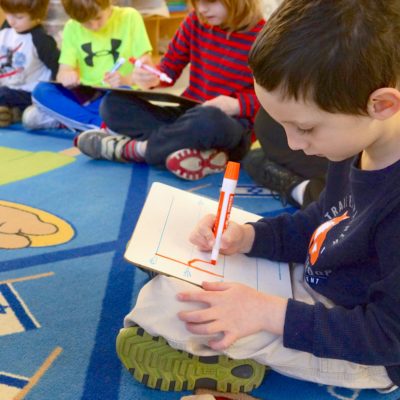
MWJDS’ “literate classrooms” provide stimulating environments in which numerous possibilities for language experiences exist. Students read and write stories, letters, messages, recipes, activity charts, journals and other activities. Teachers work with students in small groups as they acquire and define language and reading skills in ways appropriate to their learning styles.
The Multiple Dimensions of Reading
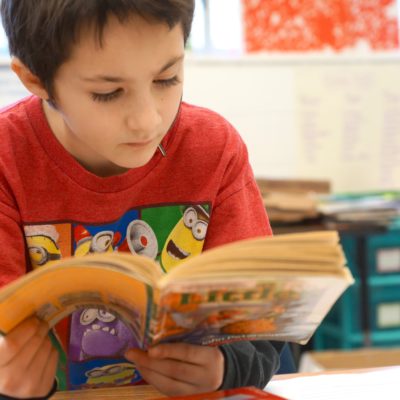
Reading skills are threefold: reading to, reading with, and reading by. Instruction in reading emphasizes the best in children’s literature, equipping students not only to read, but also to analyze and discuss texts. Reading aloud is continued even in the oldest grades so children can share in the enjoyment of good writing. As they listen to and read folk tales, myths, poetry, novels and plays, students learn to appreciate the language of authors from many cultures.

Writing
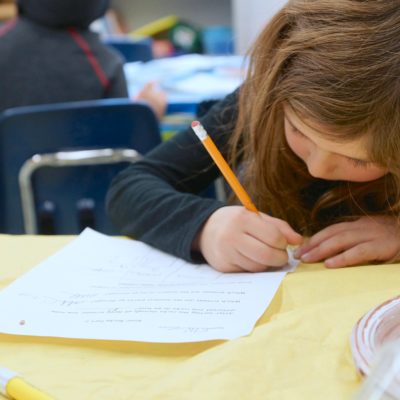
Good writing shows evidence of clear thinking. To develop this strength, students at MWJDS participate in Writer’s Workshop. One of our goals is to learn how to write “fast and strong.” As we improve our stamina we are able to work on all of the necessary elements of writing, such as craft, style, voice, grammar, vocabulary and spelling. In addition, we emphasize critical thinking as we challenge our students to find out what matters to them as they write.
Our curriculum includes writing in many different genres: small moment personal narrative and memoir; fiction; personal essay; literary essay; poetry; expository (non-fiction) writing; independent choice. In each of these units, we focus on the specifics of the writing process: collecting and generating ideas; developing ideas—rehearsing; drafting; revising; editing; publishing; celebrating!
Students are challenged to improve their craft, style, voice, grammar, vocabulary and spelling, which are all explicitly taught throughout each unit of study. Students are assessed on an ongoing basis through writing conferences and formal end of unit assessments.